
Fernando Watson

Understanding Crypto Exchange Fee Structures

In modern financial markets, transaction costs play a crucial role in overall trading performance. Whether in traditional currency markets or digital asset platforms, understanding how fees are structured can significantly impact long-term results.

Crypto exchanges typically operate with a fee system that includes trading fees, funding costs, and sometimes additional charges depending on the platform. Among these, the most common structure is the maker and taker fee model.

A maker is a trader who provides liquidity to the market by placing limit orders that are not immediately executed. In contrast, a taker removes liquidity by executing market orders. Because of this difference, exchanges usually charge lower fees for makers and slightly higher fees for takers.

Even small differences in these fees can accumulate over time. For active traders, frequent transactions mean that trading costs can become a major factor affecting profitability. This is especially true in volatile markets where positions are opened and closed rapidly.

Another important aspect is that fee structures can vary significantly between platforms. Some exchanges offer discounts through referral programs, while others provide reduced fees based on trading volume or token holdings. Understanding these differences allows traders to choose more cost-efficient platforms.

For those looking to compare fee structures and find more efficient trading environments, resources such as cryptofortrader provide detailed breakdowns of exchange costs and available discounts across multiple platforms.

Ultimately, trading success is not only determined by market timing or strategy, but also by how efficiently costs are managed. By understanding how exchange fees work and selecting platforms wisely, traders can improve their overall performance and maintain better control over their long-term results.
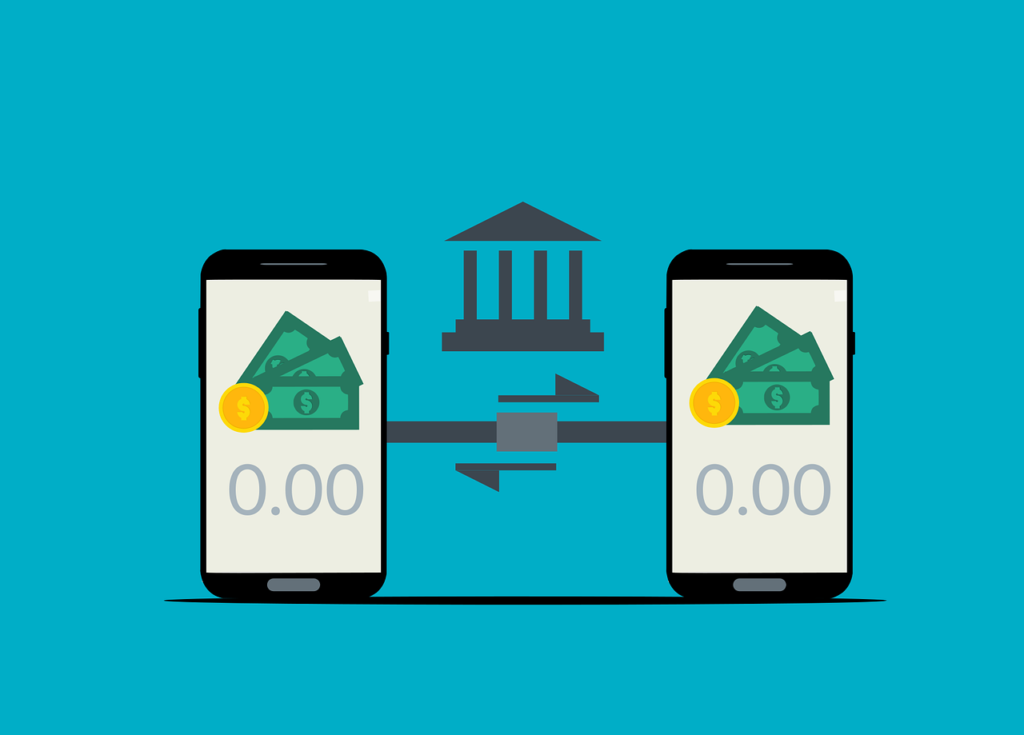

How Financial Networks Enable Global Transactions

Modern financial systems rely heavily on interconnected networks that allow transactions to occur across borders in real time. These networks form the backbone of global finance, enabling individuals, institutions, and businesses to move assets efficiently and securely.

At the core of these systems are digital infrastructures that process and validate transactions. Whether it is a bank transfer, a currency exchange, or a digital asset transaction, each operation depends on a network that ensures accuracy and reliability. Without these systems, global financial activity would be significantly slower and less efficient.

Financial networks also play an important role in maintaining trust. By using standardized protocols and secure verification methods, they reduce the risk of fraud and ensure that transactions are properly recorded. This is particularly important in an environment where large volumes of transactions occur every second.

Another key function of financial networks is liquidity distribution. Markets depend on the ability to move capital quickly, and well-structured networks help maintain liquidity across different regions. This allows traders and investors to respond to market changes without unnecessary delays.

Understanding how these networks operate can provide a deeper perspective on financial systems as a whole. For example, the structure of transaction systems and market connectivity directly influences trading environments and risk levels. You can explore practical trading principles and market behavior in our article on forex strategies and market insights.

As financial technology continues to evolve, the importance of network efficiency and security will only increase. From traditional banking systems to emerging digital asset platforms, financial networks will remain a critical component of global economic activity.

Payday Advance Loan Guidance To Make Your Life Easier

In challenging economic conditions, many people begin exploring different financial options to manage unexpected expenses. Short-term lending solutions, including payday advances, are often discussed when individuals need quick access to funds.

However, before considering this type of financial product, it is important to understand how payday loans work and what risks they may involve. These loans are typically designed for short-term situations and usually carry significantly higher fees compared to traditional credit options.

One of the most important aspects to examine is the fee structure. Late payments or delayed repayment can quickly increase the total cost of the loan. Borrowers should carefully review all loan agreements and understand the full repayment terms before accepting any financial contract.

Some lenders may offer short extensions if repayment becomes difficult. While this may provide temporary relief, it often results in additional charges or higher overall repayment amounts. For this reason, payday loans should only be considered with a clear repayment plan.

Borrowing smaller amounts is generally a safer approach when dealing with short-term loans. Because payday advances often carry higher interest rates than credit cards or traditional bank loans, minimizing the borrowed amount can help reduce financial pressure later.

It is also important to choose lenders carefully. Working with companies that provide secure payment systems and transparent deposit methods can help reduce potential risks. In many cases, reputable lenders will offer direct deposit services that simplify the transaction process.

Financial decisions should always be made with accurate information. For example, understanding how digital financial systems and transaction networks operate can help individuals evaluate different financial services more effectively. You can read more about these underlying systems in our article on best to handle a payday advance company.

In the end, payday loans should generally be viewed as a last-resort option rather than a routine financial tool. Exploring alternatives such as savings, budgeting adjustments, or lower-cost credit sources may provide more sustainable solutions.

By carefully evaluating both the advantages and risks of short-term lending, individuals can make better financial decisions and avoid unnecessary long-term debt.

Specialist Recommendations Concerning Forex

Specialist Recommendations Concerning Forex That Can Truly Aid You!

Currency markets attract many people who want to participate in global financial trading. However, entering the foreign exchange market without preparation can lead to unnecessary risks. Understanding the basic principles of trading and maintaining a structured approach is essential for anyone interested in this field.

One of the most important rules in forex trading is to avoid blindly following other traders. Many investors highlight their successful trades but rarely discuss their losses. While learning from experienced traders can be helpful, every participant should develop their own trading strategy and risk management plan.

Emotional control is another critical factor in trading. Panic, fear, and overconfidence can all lead to poor decisions. Successful traders typically rely on structured analysis rather than reacting impulsively to market movements.

Automated trading systems and so-called trading robots are often marketed as easy solutions for consistent profits. In reality, many of these systems mainly benefit their sellers rather than the traders who purchase them. It is usually more reliable to understand the market directly and develop personal trading discipline.

Margin trading can also increase both potential profit and potential loss. Used carefully, it can improve capital efficiency. However, using excessive leverage without proper risk control can quickly lead to significant losses. Traders should always ensure that their accounts remain stable before considering higher levels of margin.

Many professional traders focus on longer time frames such as daily or four-hour charts. Short-term charts can fluctuate rapidly and sometimes reflect random market noise rather than meaningful trends. Studying broader time frames often helps traders make calmer and more rational decisions.

Another key principle is treating forex trading as a serious financial activity rather than entertainment. Those who approach it purely for excitement often underestimate the risks involved in global currency markets.

Reliable market information also plays an important role. Economic news, financial publications, and global market updates can help traders understand the factors influencing currency movements. Staying informed allows traders to evaluate market conditions more effectively.

Ultimately, forex trading requires patience, discipline, and continuous learning. Traders who maintain a long-term perspective and focus on improving their analytical skills are more likely to navigate the complexities of the currency market successfully.

Globaldra is pleased with you

Network systems play a critical role in today’s digital economy. At Globaldra, we believe that understanding how networks operate is essential for anyone interested in modern finance, encryption technologies, and digital asset management.

Behind every transaction, security protocol, and distributed system lies a complex network structure that keeps information flowing and assets protected. Without reliable networks, the systems that support digital transactions and asset growth simply would not function.

Our goal at Globaldra is to help readers better understand these foundations. By exploring topics related to network infrastructure, digital transactions, and asset ecosystems, we aim to provide useful insights for anyone interested in how modern financial technologies operate.

All posts on this website are connected to these core ideas. We focus on explaining the basic principles behind network-driven systems and how they influence the broader digital economy.

Whether you are just starting to explore the subject or looking to deepen your understanding, Globaldra hopes to serve as a helpful resource for learning the fundamentals of digital networks and asset development.