
Modern financial systems rely heavily on interconnected networks that allow transactions to occur across borders in real time. These networks form the backbone of global finance, enabling individuals, institutions, and businesses to move assets efficiently and securely.
At the core of these systems are digital infrastructures that process and validate transactions. Whether it is a bank transfer, a currency exchange, or a digital asset transaction, each operation depends on a network that ensures accuracy and reliability. Without these systems, global financial activity would be significantly slower and less efficient.
Financial networks also play an important role in maintaining trust. By using standardized protocols and secure verification methods, they reduce the risk of fraud and ensure that transactions are properly recorded. This is particularly important in an environment where large volumes of transactions occur every second.
Another key function of financial networks is liquidity distribution. Markets depend on the ability to move capital quickly, and well-structured networks help maintain liquidity across different regions. This allows traders and investors to respond to market changes without unnecessary delays.
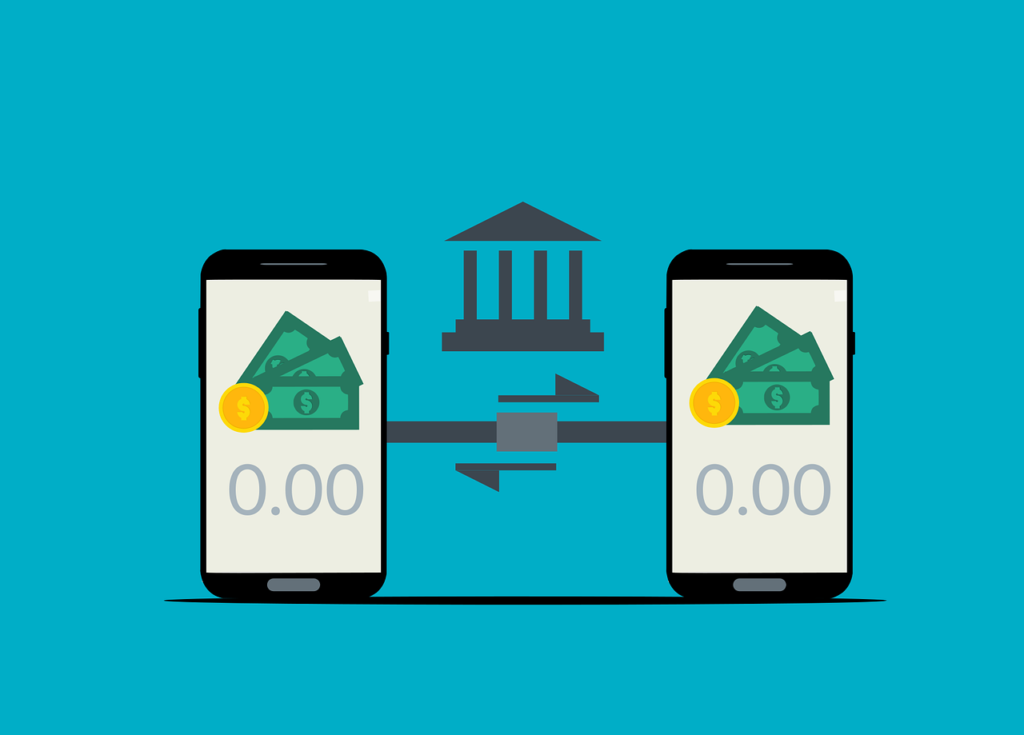
Understanding how these networks operate can provide a deeper perspective on financial systems as a whole. For example, the structure of transaction systems and market connectivity directly influences trading environments and risk levels. You can explore practical trading principles and market behavior in our article on forex strategies and market insights.
As financial technology continues to evolve, the importance of network efficiency and security will only increase. From traditional banking systems to emerging digital asset platforms, financial networks will remain a critical component of global economic activity.
